How to Build a Chicken House
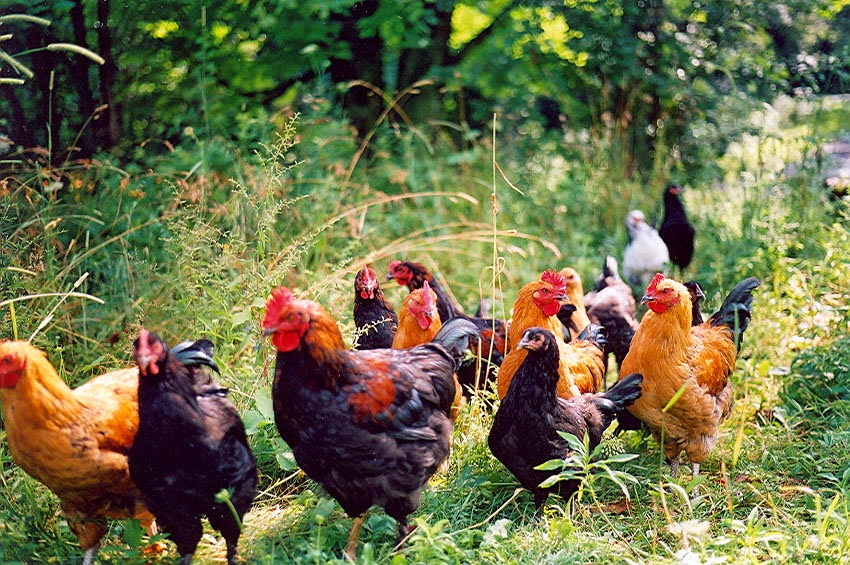
First, you must ask yourself: “Will these be pet chickens or livestock chickens?” In my case it has been a bit of both. This means I look forward to their eggs (we have laying hens and no roosters) but will not dispatch them when they stop laying them. It also means I have spent more money on their chicken house than would make sense if this were purely an economic enterprise. But it brings me joy to make them happy, to give them a safe and (relatively) warm place to live. And when the eggs arrive, then I don’t feel as bad about all the money I’ve spent on them and think maybe it won’t take 20 years to even out after all.
You must choose a site that is not so far from the house as to make them seem like guests at a spartan resort, but not so close that they wake you when they are agitated. If they are being attacked you will likely hear it as long as you didn’t make them those house guests I mentioned above. Sun is important too – in the winter they will profit from it, but in the summer too much is too much indeed. Deciduous vs coniferous trees in relation to the arc of the sun across the sky at different times of year are good things to think about. A raised chicken house will give them shade. You can also build shaded areas that double as hawk shields.
And yes, raise your chicken house off of the ground. This will provide the benefits mentioned in the last paragraph as well as make it harder for predators to get in – no digging ones! It also feels more generous to raise them off the dusty ground (which they love bathing in so much during the day) but probably more because they like roosting high up. Of course when the floor of their house is all they see while perching they may not care about its height above the ground; but I know the difference. I suppose raising the house up also protects from flooding, mold, rotten sills, etc. Water can be quite a nuisance. Oh, and when you clean it out with a hose all that dirty water will spill right over the edge and not be even tempted to find its way back into your chickens’ prime pad.
And almost lastly, there is ventilation and light. Oh yes, they must have ventilation! In the winter, not too much, but in the summer it seems they can never have enough. Indeed some folks make their chicken houses simply wooden frames with replaceable panels – windows in the winter, hardware cloth frames in the summer. I hope that isn’t sufficient, because I certainly built walls on mine. But I did leave the roof peak open (with hardware cloth over it for the weasels!) and put in hinged soffits. There’s also a special side window that can open for air or for us to take a peak in, and which gives the chickens a little more light than the two gabled windows (to vent or not to vent?) that they would otherwise be restricted to. Of course all of these must have hardware cloth behind them, there are so many things in the woods that love raw chicken, apparently.
Lastly, predators. So much of this I have already mentioned. What have I not? A fence tall enough to keep out diurnal predators, a coop tight enough and strong enough to keep out nocturnal ones. If you let them out of their run chickens love to follow you around because they know you are less dangerous than whatever else is out there. Don’t forget to put them away for the night! Once they are smart enough to go inside at the right hour you can even setup a motorized door with a light sensor to lock them away tight and safe, and not let them out until the light creeps back over the horizon the next day.
Enjoy your chickens, friends or food!

